
Epigram: Understanding the strengths of different formats
In an increasingly digital world, it might seem surprising that print still plays an important role in professional communications. But speak to most legal marketing teams and they’ll tell you the same thing. When it’s done well, print has a different kind of presence. It slows the reader down, creates a moment away from screens and emails, and allows your message to land in a more focused way.
The challenge isn’t whether print works. It’s choosing the right format for what you’re trying to say.
Start with the purpose, not the format
One of the most common issues we see when organisations develop printed materials is that the format is chosen first, and the content squeezed in afterwards. A flyer becomes overloaded with text. A brochure ends up longer than it needs to be, or a folded leaflet is asked to carry far more information than it comfortably can. In reality, the format should always follow the purpose.
When we work with legal sector clients, we usually start with three simple questions:
- What does this document need to achieve?
- Who is it for?
- How will it actually be used?
A conference handout, for example, needs to grab attention quickly and communicate clearly in a busy environment. A recruitment piece may need to balance storytelling with practical information. A credentials document might require more structure and space for detail.
Once those answers are clear, the right format tends to reveal itself quite naturally.

Understanding the strengths of different formats
Different print formats work better for different types of communication:
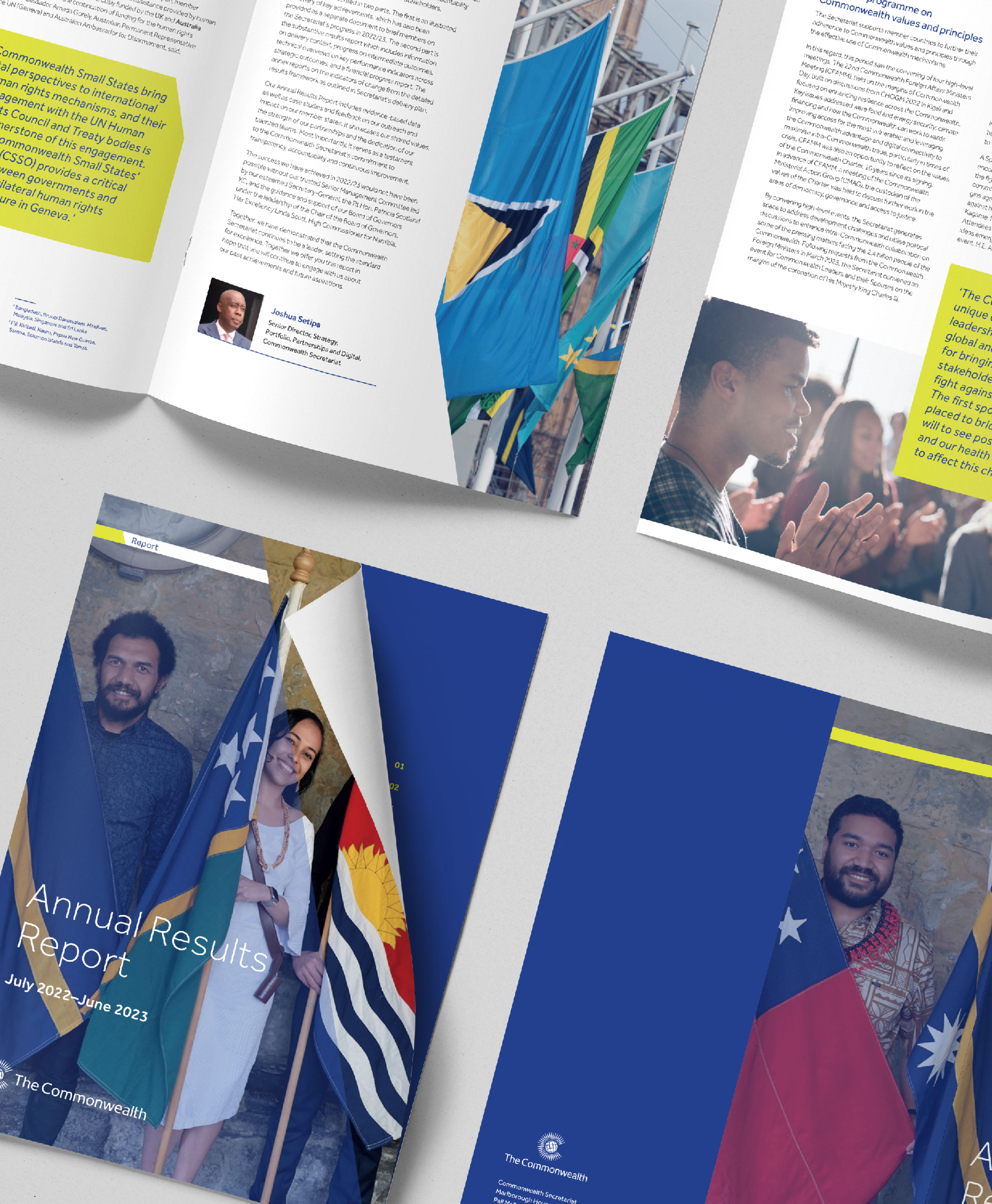
Brochures are useful when you need to guide a reader through a story or series of sections. They work well for materials such as capability overviews, recruitment brochures or event collateral where the reader may want to explore the content in their own time.
One misconception is that shorter always means better. In practice, a thoughtfully structured eight- or twelve-page booklet with breathing space can often feel far easier to engage with than a crowded one-page sheet.
Folded documents such as gatefolds or trifolds can be particularly effective when you want something compact but visually engaging.
The unfolding structure creates a sense of progression as the reader opens the piece, which can be a great way to introduce a message or reveal key information step by step.
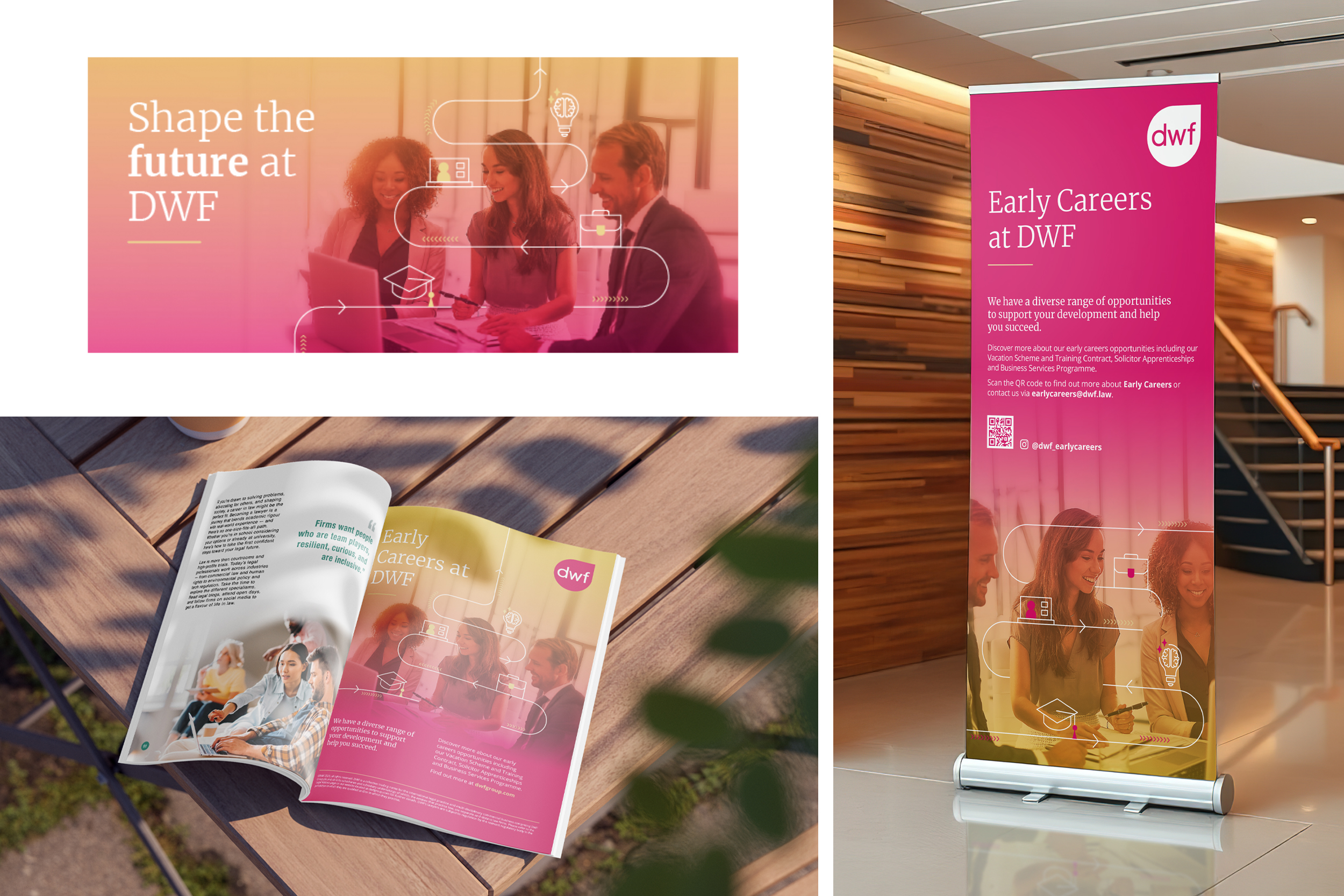
We often see these used successfully for recruitment campaigns, event invitations and promotional materials where visual impact matters.
The small decisions that make a big difference
Where print projects tend to struggle is when the format doesn’t quite match the content.
Common examples include:
- Trying to fit too much information into a single sheet
- Producing a long booklet when a simpler folded format would work better
- Designing a layout that feels cramped because the structure doesn’t give the content enough space
These aren’t so much design problems as planning problems. When you choose the format with the reader and the purpose in mind, everything else becomes easier. The design has room to breathe, the content flows more naturally and the finished piece feels considered rather than forced.
 Why this still matters for legal marketing teams
Despite the shift to digital channels, print continues to play a useful role for law firms and professional services organisations. Whether it’s a recruitment piece handed out at an event, a conference leave-behind, or a campaign document designed to reinforce a message, print has a way of creating a more deliberate interaction with your brand.
After more than three decades working with law firms and legal marketing teams, we’ve seen how much difference the right structure and design approach can make to how communications are received.
Often, the most effective print pieces aren’t the most elaborate. They’re simply the ones where the format, content and design work together from the start. And that usually begins with asking a simple question: What is this document actually trying to achieve?